-
No. 5 — here at the end of the world / art song of Pablo Ortiz

Artists
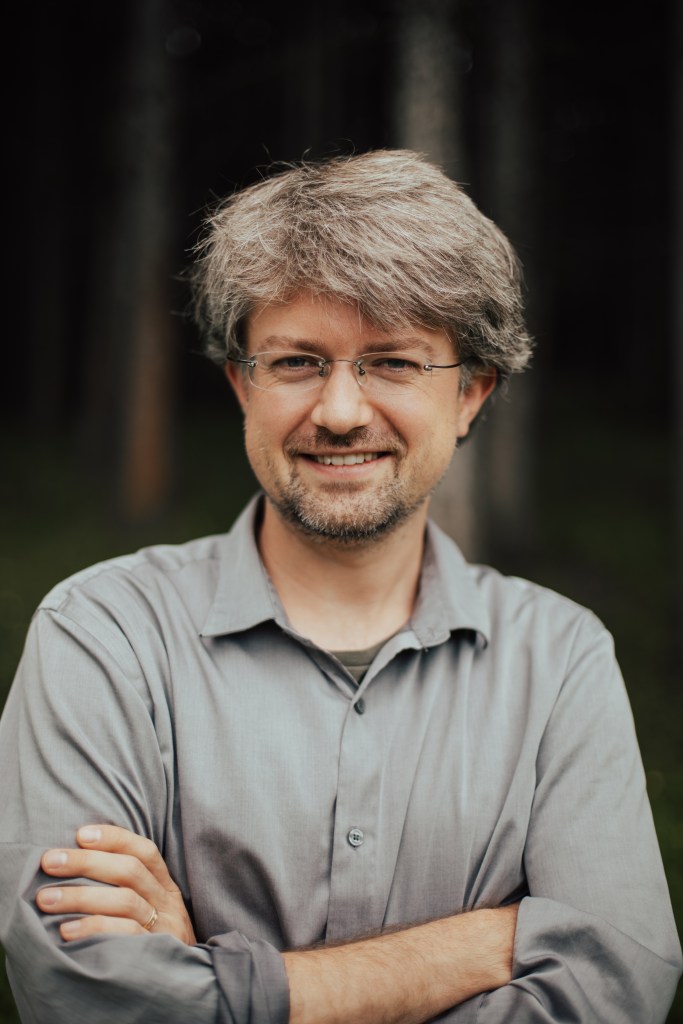
Ryan MacEvoy McCullough, piano 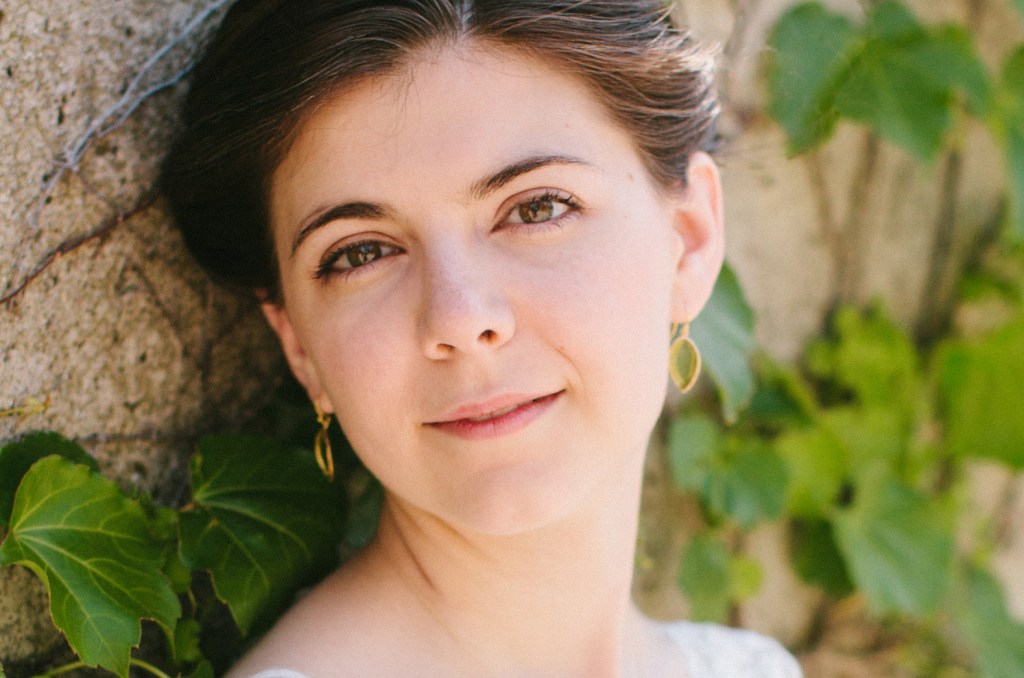
Lucy Fitz Gibbon, soprano Repertoire
here at the end of the world — art song of Pablo Ortiz (b. 1956)
Earth (Katie Peterson) [4:15]
From This House That House (Katie Peterson) [4:18]
Speech on a Summer Night (Katie Peterson) [4:10]
Elegía (Rosario Castellanos) [2:22]
Nocturno (Rosario Castellanos) [2:23]
McClure’s Beach (Sidney Hall Jr.) [3:41]
Neutral Tones (Thomas Hardy) [2:54]
chorus musicus (María Negroni) [3:37]
los cementerios de Paris (María Negroni) [2:14]
From This House That House (reprise) [4:08]
When a long silver hair (Yehuda Halevi) [1:13]
total time – 35:21
Notes on the album
During the last decade, I composed mostly for the voice: choral music, a chamber opera, and several song cycles. I always enjoy setting poetry to music, and I particularly love to write for voice and piano. It has been an enormous privilege to work with Lucy and Ryan and their interpretations of my songs are exquisite. I also have to thank Katie Peterson and Maria Negroni for their generosity in allowing me to set their poems, and for their friendship. I haven’t met Sydney Hall Jr. in person: his poem came to me through Chris Reynolds’ family, and I wrote the song for his retirement concert at UC Davis. Russ Irwin, another great friend, suggested the poems by Rosario Castellanos. And I wrote the Yehuda Halevi song as a birthday present for my friend Mark Ludwig. Every poem in this collection speaks to me.
– Pablo Ortiz, April, 2025
Recorded January 4-5, 2024, in Olin Recital Hall, Bard College, Annandale-on-Hudson, NY
Tracks 1-7 & 11, NY Steinway D, #364100 (Michael Lynam, piano technician); tracks 8-10, Roland RD2000 and Modartt PianoTeq 8, “I. Pleyel” (Kremsegg collection 2)
Audio engineered, edited, mixed, and mastered by Ryan M. McCullough
-
No. 4 — In the Cabinet of Wonders with Scheidemann and Schop: Music for Organ and Violin from 17th-Century Hamburg

Artists
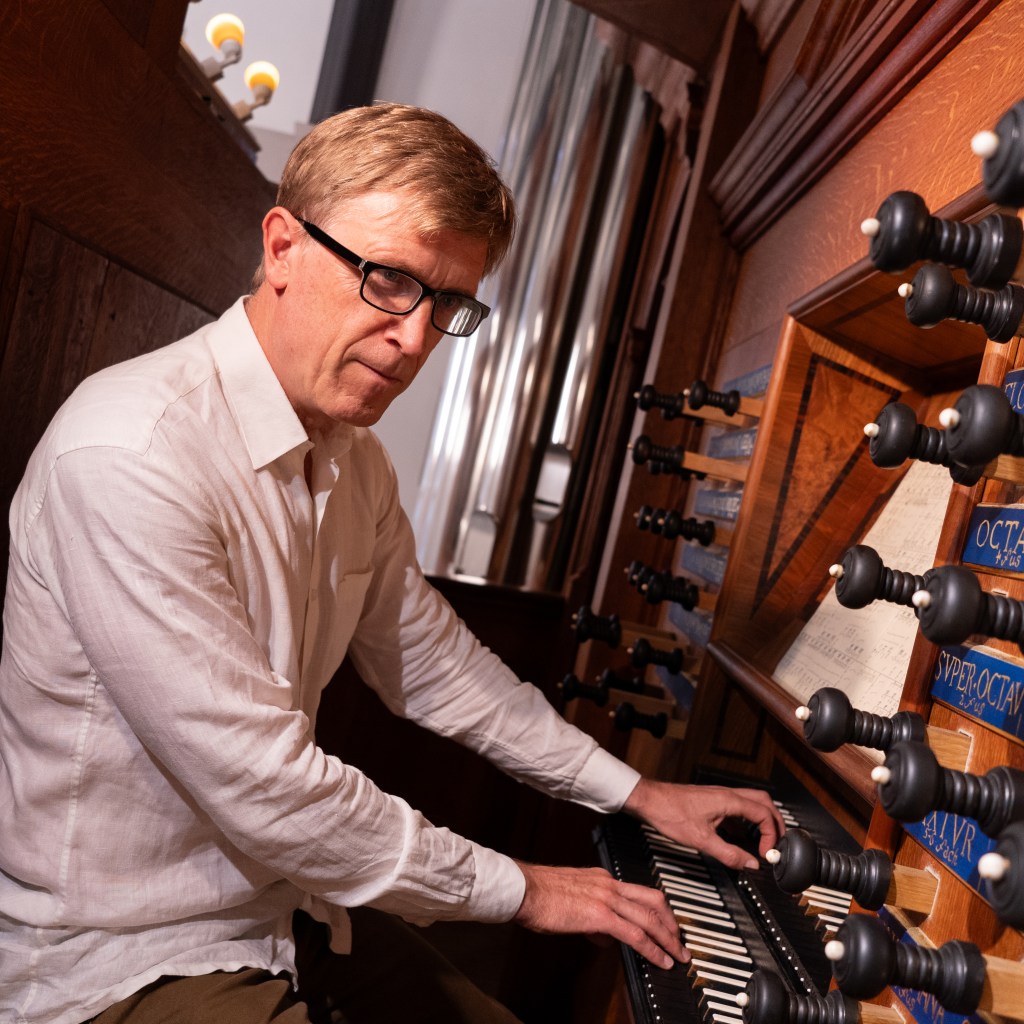
David Yearsley, organ 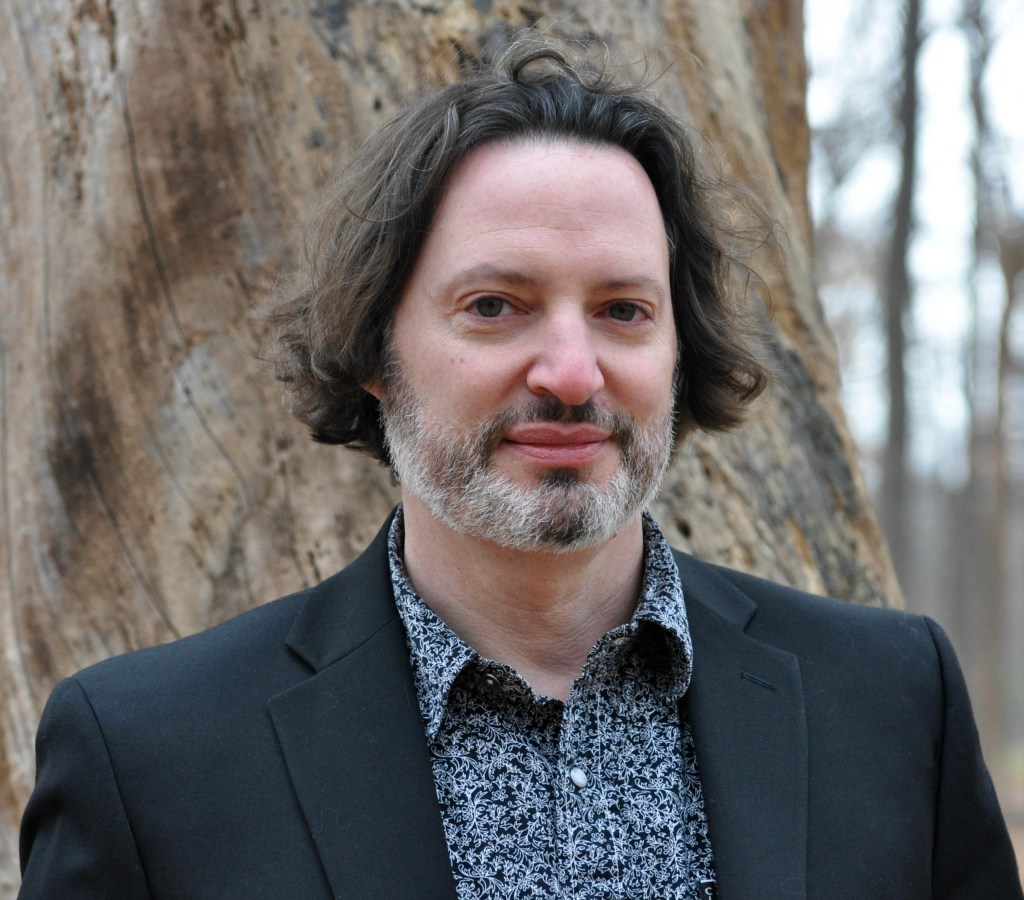
Martin Davids, violin Repertoire
Martin Davids, violin | David Yearsley, organ
Johann Schop (c. 1590–1667) —
Intrada à 5 (from Erster Theil newer Paduanen, Hamburg, 1633/1640)Schop, after Alessandro Striggio (1536/37–1592) —
Nasce la pena mia (from ‘t Uitnemend Kabinet, Amsterdam, 1649)Schop, after John Dowland (1563–1626) —
Lachrime Pavaen (from ‘t Uitnemend Kabinet, 1646)Heinrich Scheidemann (c. 1595-1663) — Galliarda ex D
Intonatio (improvisation by Davids and Yearsley)
Scheidemann — Christ lag in Todesbanden, 2 verses
Schop — sine titulo (from ‘t Uitnemend Kabinet, 1646)
Scheidemann, after Giovanni Bassano (1561–1617) — Dic nobis Maria
Scheidemann — Canzon in G
Scheidemann — Englische Mascarada
Schop — Almande Mortiel (from ‘t Uitnemend Kabinet, 1646)
Schop — Præludium (from ‘t Uitnemend Kabinet, 1646)
Fantasia sopra Werde munter, mein Gemüte
(improvisation by Davids and Yearsley on a chorale by Schop)Schop — Pavaen de Spanje (from ‘t Uitnemend Kabinet, 1646)
Notes on the Album

Heinrich Scheidemann, left, and Johann Schop, right Album Credits
Recorded January 7th and 8th, 2023 at Cornell University, Anabel Taylor Chapel
Session engineering, mixing and mastering by Joel Gordon
Album production and design by Ryan MacEvoy McCullough
Photo of Martin Davids by Emily Rivera
Photo of David Yearsley by Elizaveta Zabelina
Photo of Martin Davids and David Yearsley by Daniel Stein
Photo of Organ by Cornell University Photography
Booklet cover image by Edwaert Collier, Vanitas Still Life, 1662 (Metropolitan Art Museum)
The project was completed with generous support of the Cornell University Department of Music and the Cornell Center for Historical Keyboards
-
No. 2 — sedgeflowers | MANTRA

Artists

Dante De Silva, composer 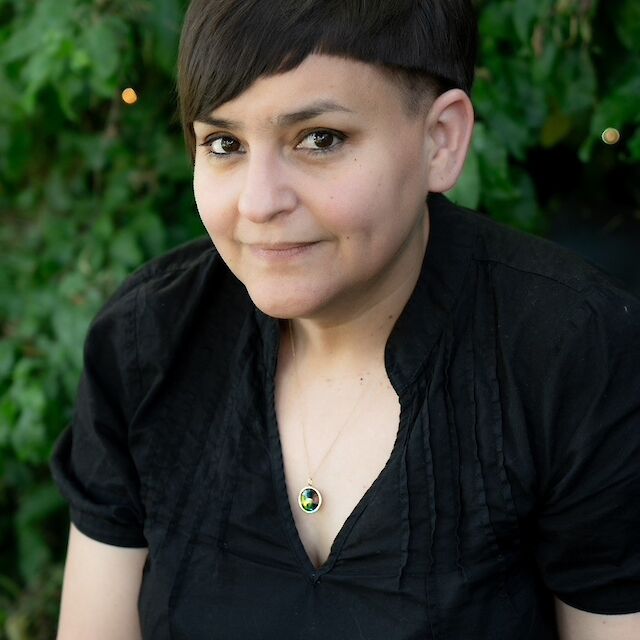
Laura Cetilia, composer 
Chris Castro, composer 
Aida Shirazi, composer 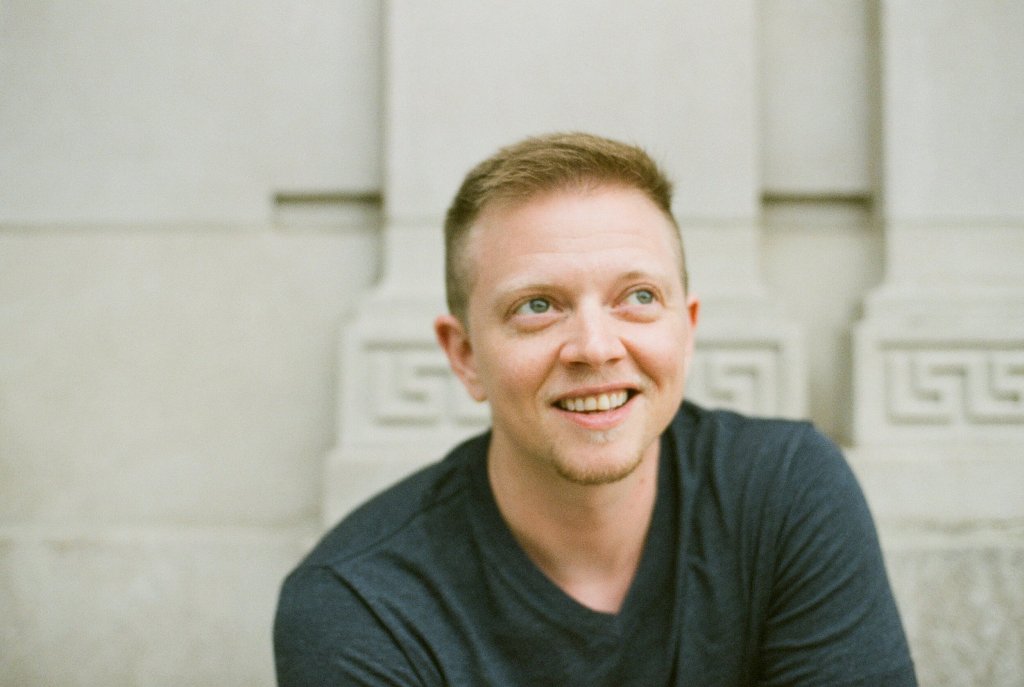
LJ White, composer 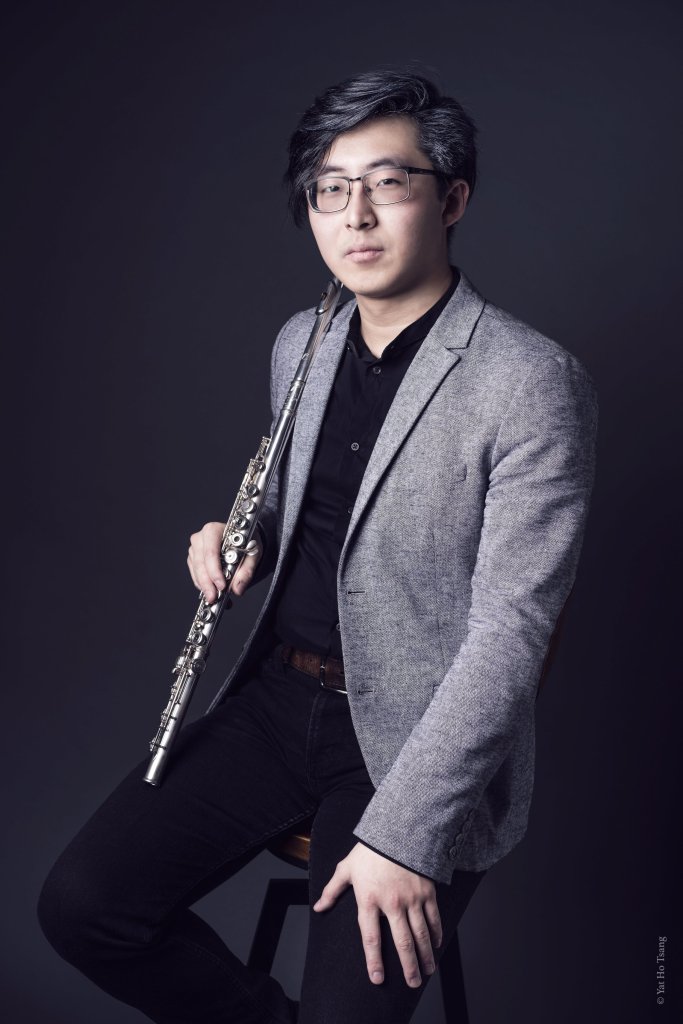
Angus Lee, composer 
Karlheinz Stockhausen, composer 
John Liberatore, composer 
Christopher Stark, composer Ryan MacEvoy McCullough, pianist 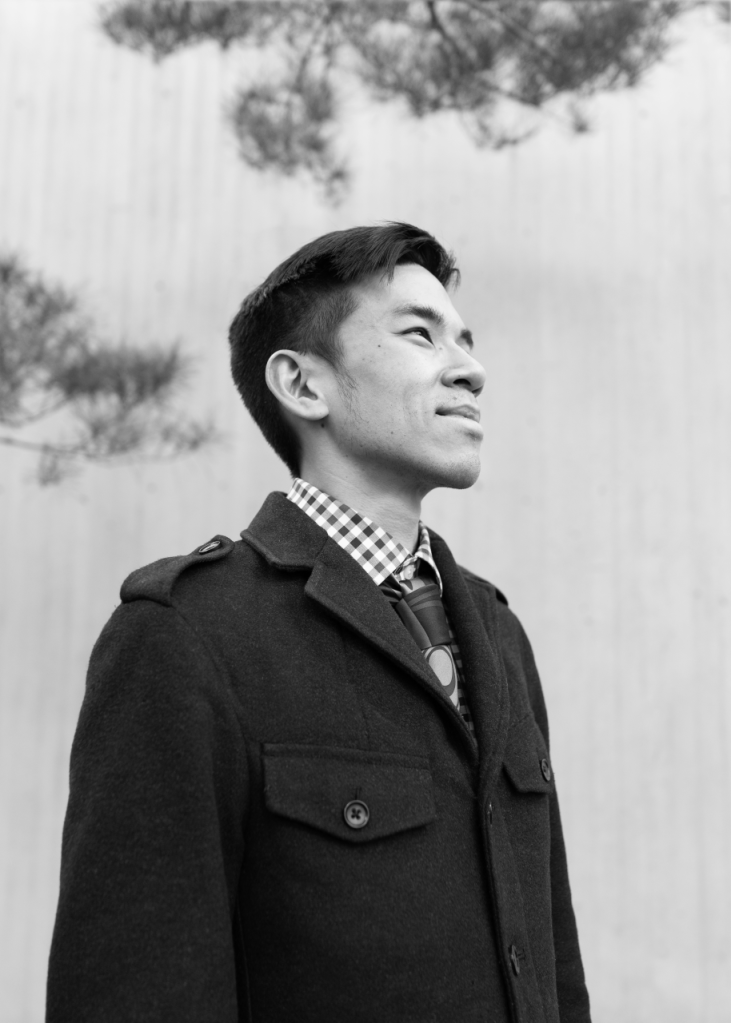
Andrew Zhou, pianist Repertoire
John Liberatore — Sedgeflowers (2017-18) for two pianos
Yi-wei Angus Lee — Rage Over Lost Time (2020)
Dante De Silva — Too Sedated to Rage (2020)
Aida Shirazi — RAGE: Screamed, RAGE: Stolen, RAGE: Silenced (2020)
LJ White — Rage is the Bodyguard of Sadness (2020)
Andrew Zhou — Con variazioni (2020)
Christopher Castro — Beethausenstro—Castockhoven (2020)
Laura Cetilia — sense of missing (2020)
Christopher Stark — Foreword (2017) for two pianos and electronics
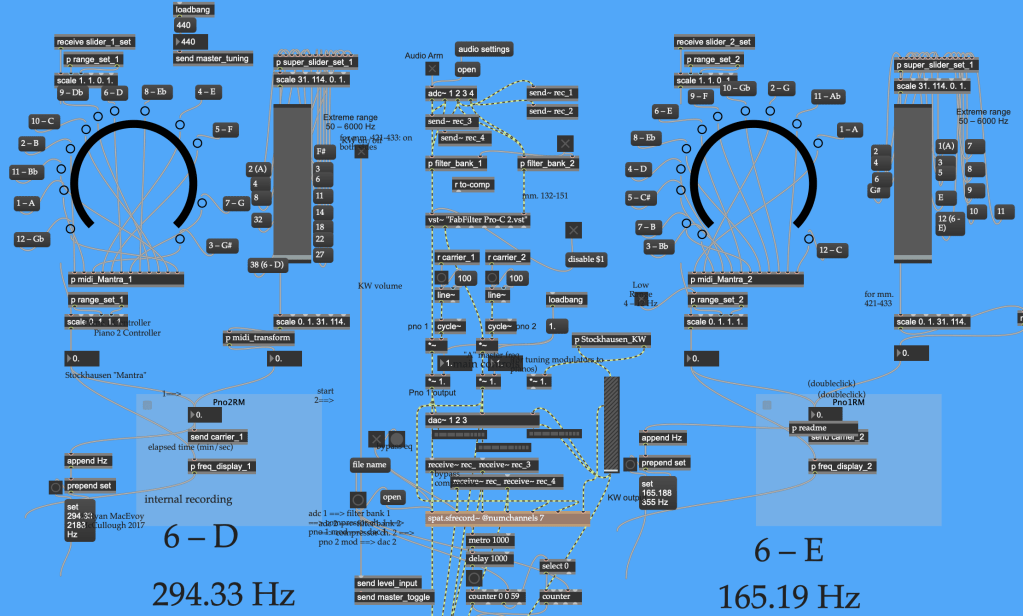
Karlheinz Stockhausen — MANTRA (1970) for two pianists and ring modulators
HereNowHear
Ryan MacEvoy McCullough & Andrew Zhou, pianistsReviews
The duo’s recording of the work is one of immense value, not only for its rarity but for being so thorough in its presentation. Needless to say, immense reserves of concentration had to be called upon by the pianists for the performance, and no corners were cut in this realization.
—Ron Schepper, TexturaNotes on the Album
Recording Details
Stockhausen MANTRA and Liberatore Sedgeflowers
Recorded August 2022 at Oktaven Audio in Mt. Vernon, NY
Audio engineered and mastered by Ryan Streber
Session produced by Ryan Streber and John Liberatore
Audio edited and mixed by Ryan MacEvoy McCulloughLee, De Silva, Shirazi, White, Zhou, Castro, and Cetilia
Recorded November 2020 at Olin Recital Hall, Bard College, and Lincoln Hall, Cornell University
Audio engineered, edited and mixed by Ryan MacEvoy McCullough
Audio mastered by Ryan StreberStark Foreword
Recorded January 2018 in Lincoln Hall, Cornell University
Audio engineered, edited and mixed by Ryan MacEvoy McCullough
Session produced by Christopher Stark
Audio mastered by Ryan StreberAcknowledgments
With a yearslong project this complex, we have depended temendously on the generous support of friends, family, mentors, and institutions willing to help us develop and fulfill our artistic vision.
Thanks first and foremost to Prof. Xak Bjerken, our mentor at Cornell who made every part of this possible by creating an environment conducive to exploration. Thanks similarly to Prof. Kevin Ernste for his endless technical support and artistic encouragement. Further thanks to Profs. Annette Richards, Roger Moseley, and the Cornell Center for Historic Keyboards for supporting the RAGE: Vented project, as well as helping to fund equipment purchases for MANTRA. Thanks to Ellen Corver and Benjamin Kobler, whose tireless coaching and artistic guidance completely transformed our understanding of MANTRA. Thanks as well to Kathinka Pasveer and the Stockhausen-Verlag for being such an extraordinarily generous resource over the years. Thanks to Jan Panis for encouragement and advice on the electronics for MANTRA. Thanks to the Fromm Foundation for funding John Liberatore’s Sedgeflowers, and partially funding the production of this album. Endless thanks to Sō Percussion for lending us their crotales for our recording of MANTRA. Thanks to Paul Miller for his gorgeous and insightful notes on MANTRA. Thanks to Elaine Fitz Gibbon for copy-editing this booklet. Thanks to the Avaloch Farm Music Institute for early support on Christopher Stark’s Foreword. Thanks to John Liberatore and Christopher Stark for their amazing work as diffusionists for MANTRA, and for their timeless music featured on this album. And finally, profoundest thanks to our life partners, Ryan Grajo and Lucy Fitz Gibbon, for their love and patience (and for being emergency equipment mules).
And finally, in memory of Gabriel Henriques, who departed this world too soon, and in honor of Cecilia, who entered it singing (only a day after her daddy finished editing this recording).
-
No. 3 — Handel’s Organ Banquet

Artists

David Yearsley, organ Repertoire
George Frideric Handel (1685-1759)
Sinfony from Messiah (HWV 56) combined with the Fugue from Suite in E Minor, HWV 429
As with rosy steps, the morn (from Theodora, HWV 68)
Passacaille in G (HWV 399)
Lord, to Thee, each night and day (from Theodora, HWV 68)
O praise the Lord with one consent (opening chorus of Chandos Anthem no. 9, HWV 254)
Lascia ch’io pianga (from Rinaldo, HWV 7)
Trio Sonata in F, Op 5, no. 6 (HWV 401)
Concerto in G minor/G major, op. 4, no. 1 (HWV 289)
Fuga in D (“Amen” from Messiah, HWV 56)
A ‘Hallelujah’ Concerto (improvisation)
Notes on the Album
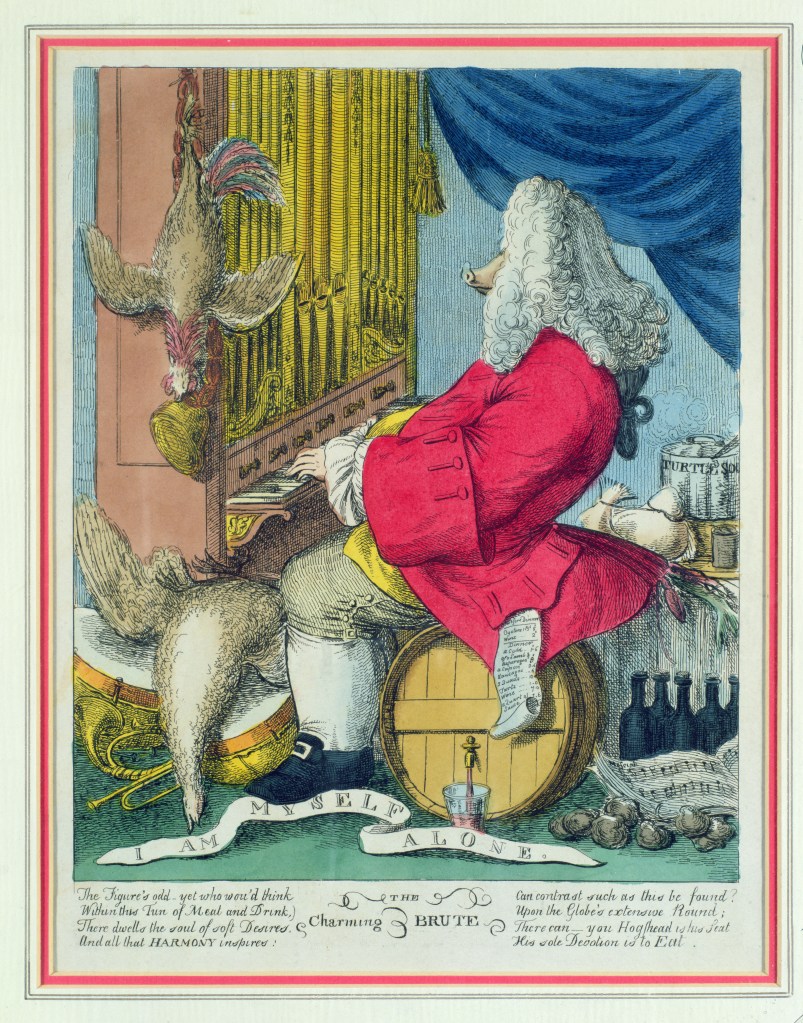
The Charming Brute (colour etching) by English School, (18th century); 32.5×25 cm; Private Collection; (add.info.: George Frideric Handel (1685-1759); caricature commenting on Handel’s huge appetite; possibly circulated by the painter Joseph Goupy (c.1689-c.1770);). Album Credits
Recorded January 5th and 6th, 2023, at Anabel Taylor Chapel, Cornell University, Ithaca, NY.
Session engineering, mixing and mastering by Joel Gordon.
Album production and design by Ryan MacEvoy McCullough.
Photographs of David Yearsley by Elizaveta Zabelina
Photograph of Anabel Taylor Organ by Cornell University Photography
Special thanks to the Cornell Department of Music, Cornell Center for Historical Keyboards, Annette Richards, and the John Simon Guggenheim Foundation.
-
No. 1 — “the labor of forgetting”
Artists

Katherine Balch, composer Dante De Silva, composer 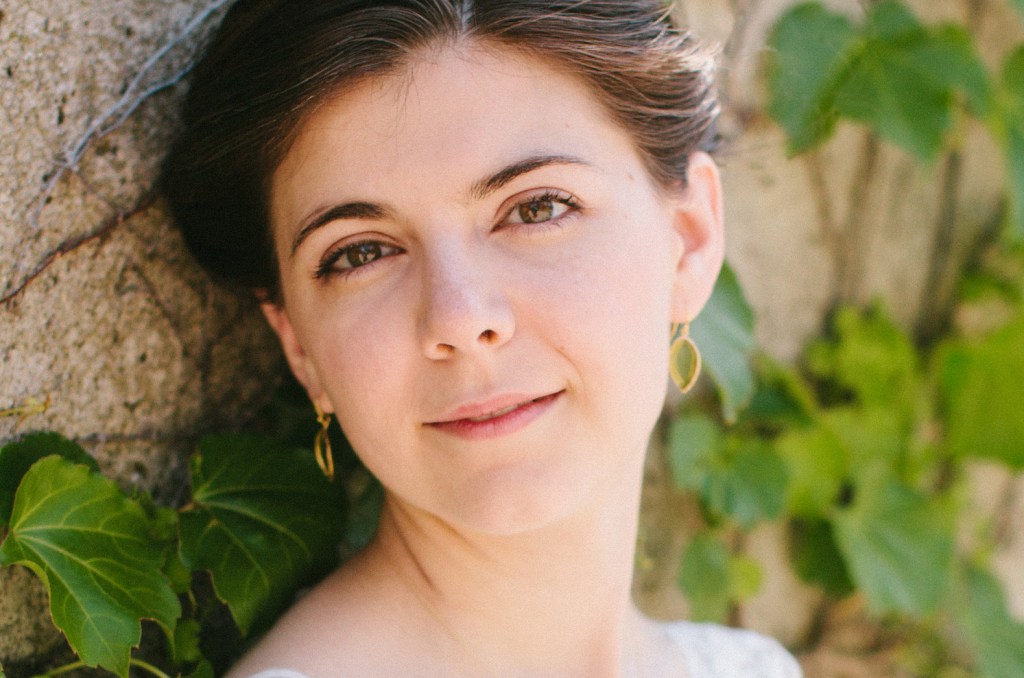
Lucy Fitz Gibbon, soprano 
Katie Ford, poet Ryan MacEvoy McCullough, piano Repertoire
Dante De Silva (b. 1978)
Shibui—a dirge in memory of my mentor, Deborah Clasquin (2009) for solo piano
Four Years of Fog (2016) for just-tuned piano
Ryan MacEvoy McCullough, piano
Katherine Balch (b. 1991)
& Katie Ford (b. 1975)estrangement (2020) for voice and piano
Lucy Fitz Gibbon, soprano
Ryan MacEvoy McCullough, pianoLinda S. Fitz Gibbon (b. 1958)
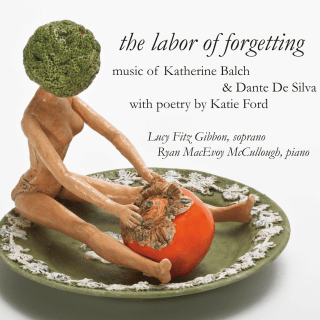
Brainiac (2019), ceramic art featured on cover
Reviews
The program so sincerely produced on the labor of forgetting, the debut release from False Azure Records, reminds me of Pauline Oliveros, who once said, “Listening is selecting and interpreting and acting and making decisions.”
—Tyran Grillo, full review at Sequenza21While both performers distinguish themselves, Fitz Gibbon dazzles with a riveting performance that gives commanding voice to the emotional terrain and meets the considerable vocal challenges posed by the material.
—Ron Schepper, TexturaNotes on the album
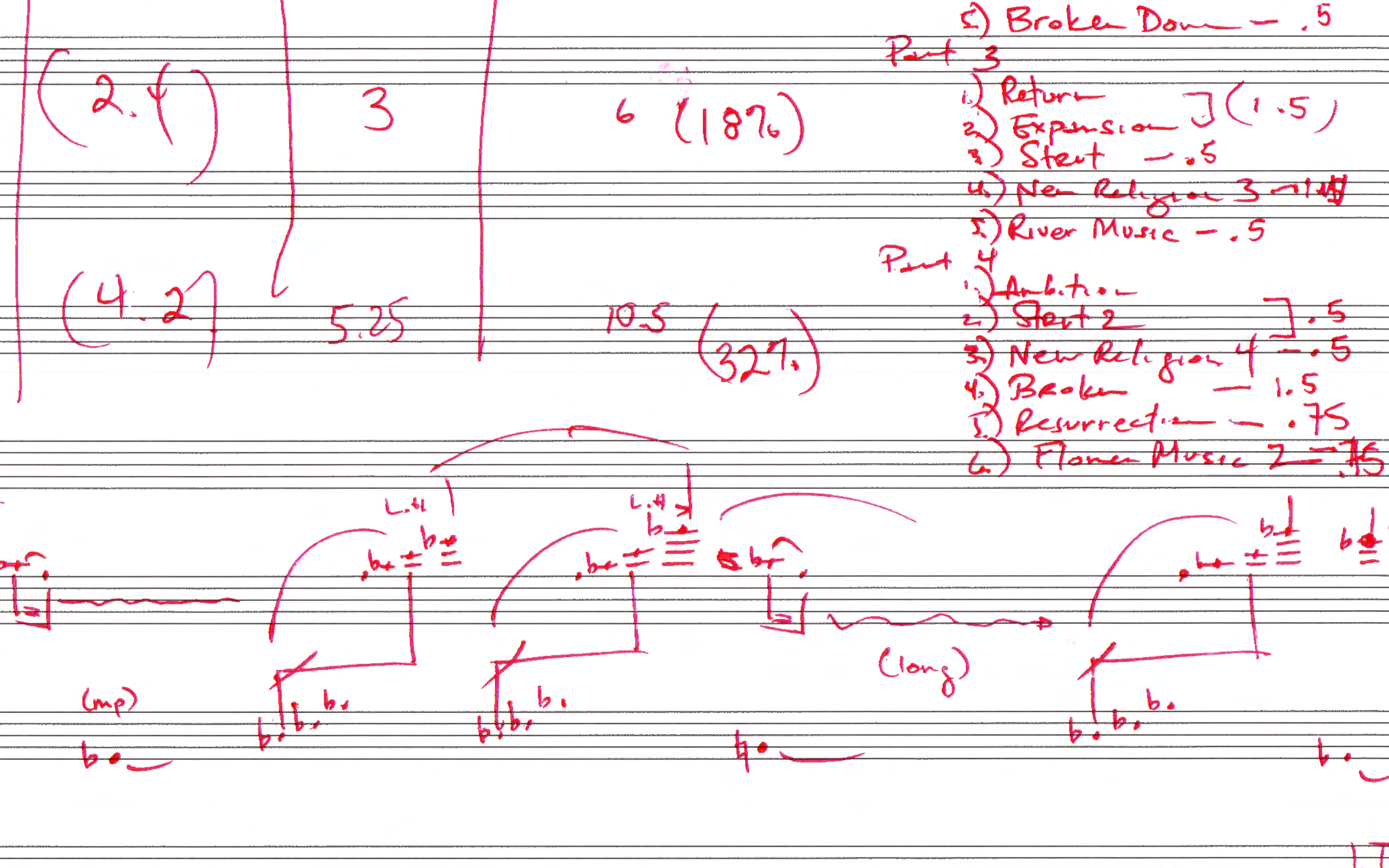
Sketches from Four Years of Fog by Dante De Silva (click on the image) Recording Details
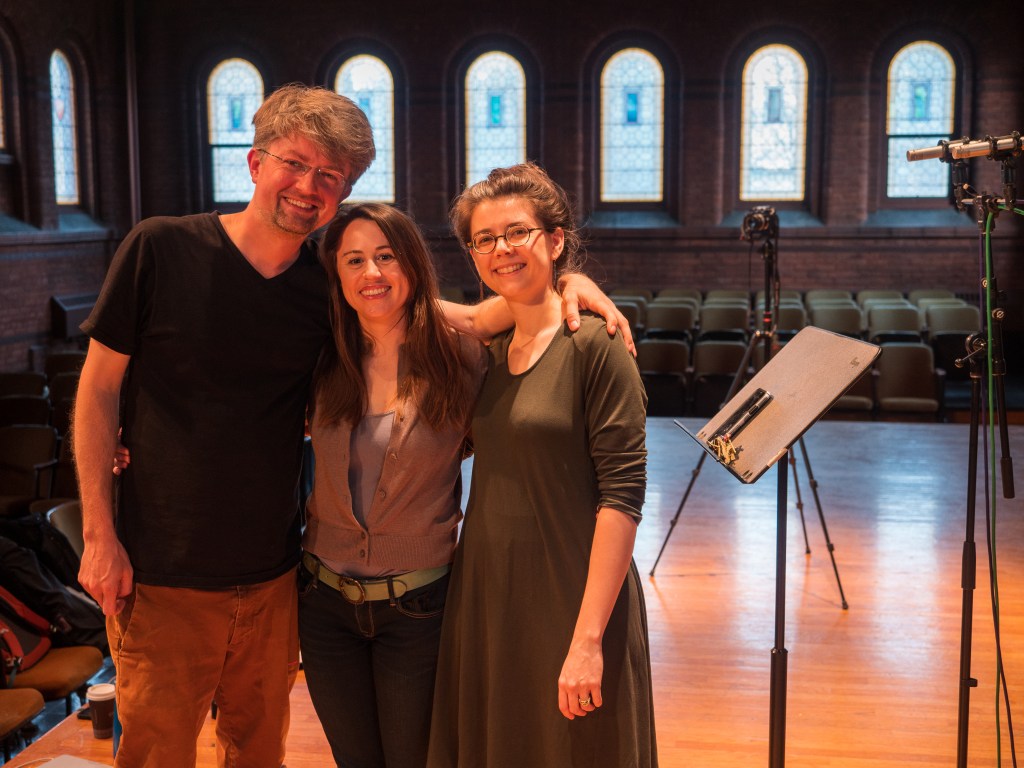
Ryan, Katie, and Lucy after recording estrangement in March, 2022 
Dante and studio assistant Felix review session takes, July 2018 Shibui and Four Years of Fog—
Recorded June 30th to July 3rd, 2018, in Barnes Hall Auditorium, Cornell University, Ithaca, NY
Session producer: Dante De Silva
Piano technician: Ken Walkup
Instruments: Shibui—Steinway & Sons “D” Concert Grand, New York, 1908 (“Kovner”), rebuilt by Jim Reeder, 1985, restored by Ken Walkup; Four Years of Fog and Shibui (reprise)—Steinway & Sons “D” Concert Grand, New York, 1958 (“Old Bailey”), restored by Ken Walkup, 2006
estrangement—
Recorded March 10th, 2022, in Barnes Hall Auditorium, Cornell University, Ithaca, NY
Session producer: Katherine Balch
Piano technician: Ken Walkup
Instrument: Steinway & Sons “D” Concert Grand, New York, 1908 (“Kovner”), rebuilt by Jim Reeder, 1985, restored by Ken WalkupAudio engineering, editing, mixing, and mastering by Windowpane Audio
Acknowledgements
Deborah Clasquin in memoriam
Thanks to the following people for making this album possible:Michael Brofman and Brooklyn Art Song Society for their work in commissioning estrangement;
the Cornell Center for Historical Keyboards, which maintains the instruments used in this album;
Katie Ford, for her beautiful poetry and generous time proof-reading;
Laurel Gilmer and the administrative staff at the Cornell Music Department for their patient help with scheduling;
the National Endowment for the Arts for its financial support commissioning estrangement;
and Ken Walkup, piano technician, who really made these pianos sing.Stats for Nerds
Microphones—
Shibui and Four Years of Fog : Microphone-Parts S12 matched pair (overheads, omni AB), Line Audio CM3 matched pair (piano close, subcardioid ORTF)
estrangement : Microphone-Parts S12 matched pair (overheads, omni AB), Microphone-Parts SDC matched pair (voice close, cardioid AB), Line Audio CM3 matched pair (piano close, subcardioid ORTF), LOM Audio Uši Pro matched pair (piano keytops, omni AB)

 False Azure Records